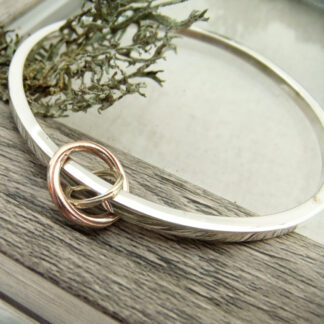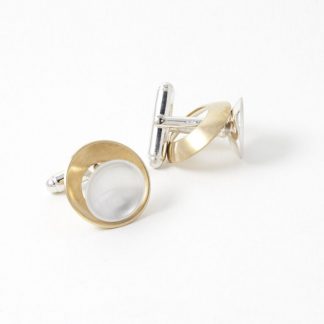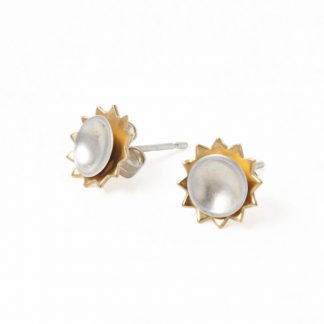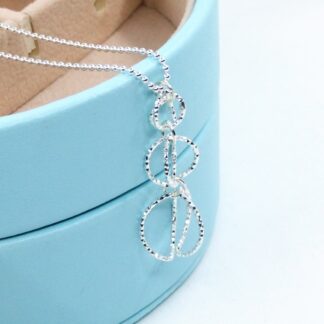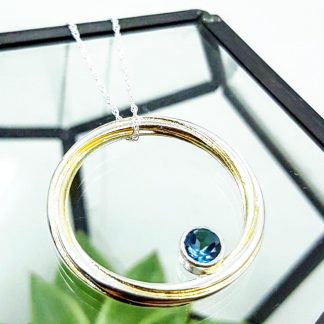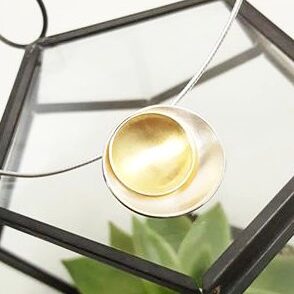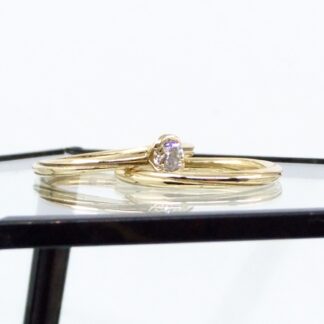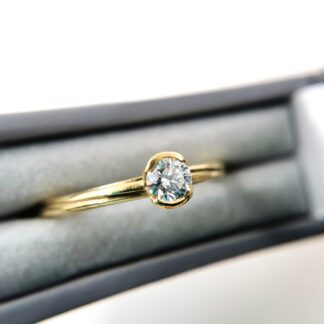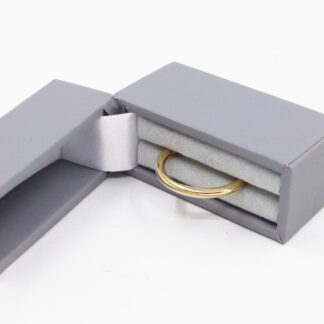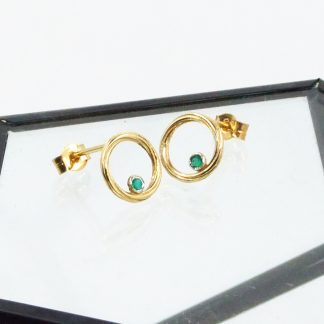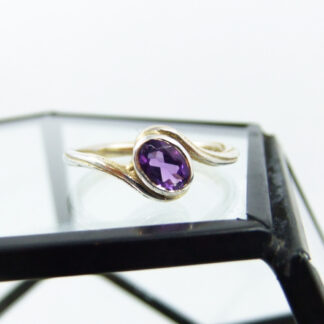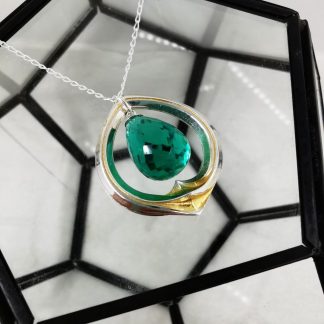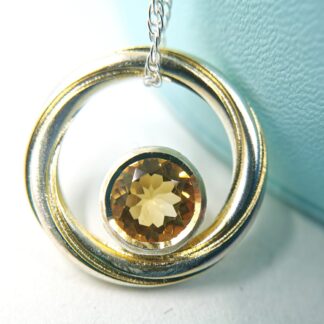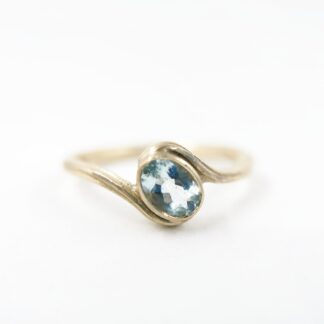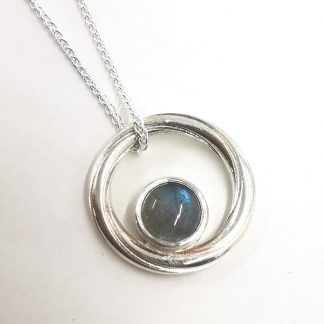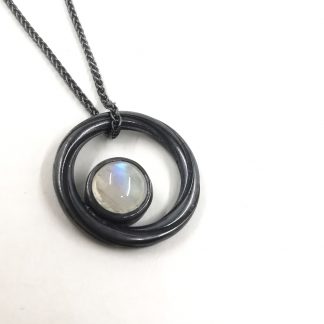
Choosing jewellery metals is an important part of creating a bespoke piece, whether you are commissioning an engagement ring, wedding rings, or another special item of jewellery. Each metal has its own character, tone, weight, and practical considerations, and the right choice comes down to what feels best for you. This guide is here to help you understand the different jewellery metal options I offer, and how they may suit your design, lifestyle, and budget.
When choosing jewellery metals, it’s best to consider both practical aspects and personal style.
Below is a guide to the main metals I work with, along with some helpful tips so you can choose what feels right for your piece.
Sterling Silver
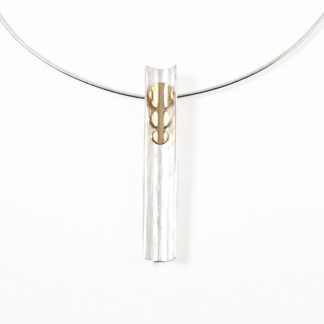
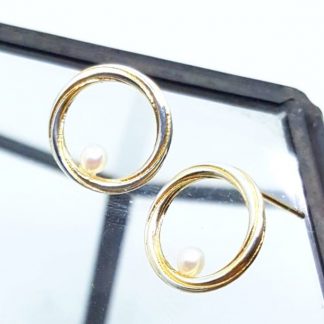
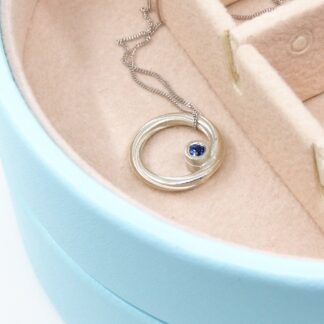
Sterling silver is a classic, bright metal with a clean white-grey tone. It consists of 92.5% pure silver alloyed with other metals for strength. Silver has a gentle sheen and can be left to develop a natural patina over time, or polished to a bright shine.
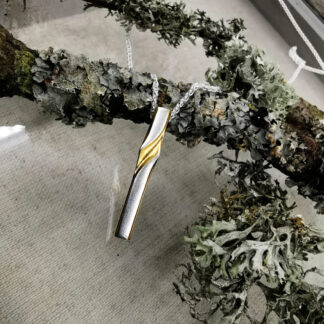
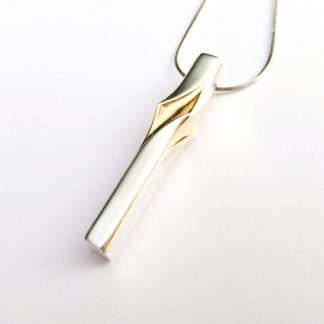
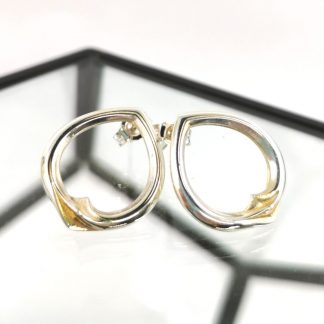
I can gold plate silver for detailing or an overall finish, although I usually advise against plating on rings, as they see a lot of daily wear.
Silver is the most budget-friendly option, making it a great choice if you’d like a beautiful piece without stretching your budget.
Gold (9ct and 18ct — Yellow, White and Rose)
Gold is a classic choice, with beautiful warmth and versatility. I offer 9ct and 18ct gold in yellow, white, and rose, allowing you to tailor your piece to your style.
9ct Gold
9ct gold contains 37.5% pure gold, making it durable and slightly lighter. A 9ct ring will weigh more than a silver ring of the same design.
18ct Gold
18ct gold contains 75% pure gold and has a beautiul rich tone. It will also feel heavier on the finger than 9ct gold, giving a lovely sense of substance and quality.
Gold colours:
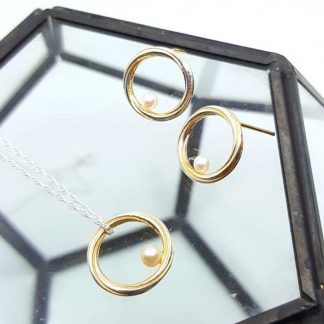
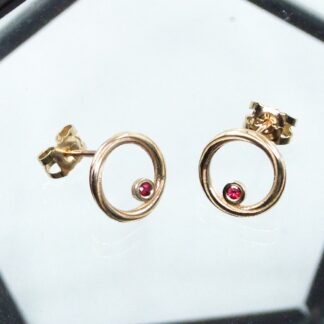
- Yellow gold – warm and classic
- White gold – naturally silvery white, elegant on its own. White gold can be rhodium plated for extra brightness, but I love the natural colour and leave it unplated unless otherwise requested
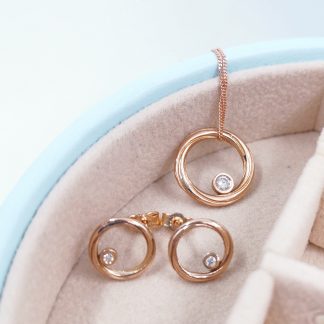
- Rose gold – soft, romantic pink tones
Gold is more expensive than silver, with 18ct costing more than 9ct. Prices fluctuate with the market, so I calculate each commission based on current metal prices, and I’m happy to look at a few options with you before you make a decision.
Platinum
Platinum is a naturally white precious metal with a luxurious feel. It is often used for engagement rings and pieces intended for everyday wear. Platinum’s colour will not fade or change over time, and it will hold gemstones securely.
Platinum is typically the heaviest option, giving a satisfying weight and a sense of lasting quality. It is more expensive than 18ct gold at the moment, although prices are subject to change.
Palladium
Palladium is part of the platinum family, with many of the same characteristics: naturally white, durable, and lighter than platinum. Palladium is a lovely alternative if you prefer a sleek, modern look but want something a little lighter.
Using Your Own Metal
Some customers prefer the idea of using their own silver or gold for a new piece. This can be incredibly meaningful, particularly if the metal has sentimental value, such as inherited jewellery or family keepsakes. Transforming these materials into a new design is a beautiful way to preserve memories while creating something entirely personal.
Using your own metal can also help with budget considerations, as it reduces the amount of additional precious metal required.
I can work with your metal in several ways:
- Creating something entirely new – from your existing metal, I can craft a fresh design that fits your style and vision.
- Adapting an existing design – I can use your metal to create a new version of one of my existing designs.
Every commission is unique, and I’m happy to explore your options with you, discuss how much metal is available, and suggest design solutions that make the most of it while keeping the piece beautiful and durable.
Wearing Different Metals
When wearing multiple rings or stacking pieces, it is best to avoid having different metals in direct contact with one another. This helps prevent wear or marking, and also keeps each metal looking its best.
Hallmarking and Quality Assurance
Hallmarking is a long-established way of confirming the metal content, quality and origin of precious metal jewellery in the UK. When a piece of metal is sent to the Birmingham Assay Office, the metal is independently tested and then stamped with a series of official marks that tell you key information about the piece. This provides confidence that what you are commissioning truly matches the description.
All my gold, platinum and palladium pieces will be hallmarked, and all silver pieces over the statutory weight will be hallmarked too. Hallmarks include a combination of marks that together tell the story of the piece.
A traditional UK hallmark includes the following:
- Makers mark (Sponsor’s mark): This is a unique mark registered to me, showing who submitted the jewellery for hallmarking. In my case this will include my AG makers mark. This helps identify the piece as being made by me and links it back to the maker.
- Fineness mark (Metal and purity mark): This number shows the precious metal content, expressed in parts per thousand. For example 925 for sterling silver, 375 for 9ct gold, 750 for 18ct gold, or 950 for platinum and palladium. The shape around the number can also help identify the type of metal.
- Assay Office mark: This symbol shows which Assay Office tested and hallmarked the piece. For Birmingham, the mark is an anchor, representing that the item was independently verified there.
- Date letter (optional): This is a letter that indicates the year the item was hallmarked. The letter, font and surrounding shield change each year, giving a lovely way to date when the piece was marked.
Together, these marks give you a clear and trusted record of the metal content and origin of your jewellery. Hallmarking is part of a centuries-old tradition of quality assurance in British jewellery making, giving you peace of mind about the piece you are commissioning.
Which Metal Should You Choose?
There is no single right choice when choosing jewellery metals. Silver has a bright, classic charm and is budget-friendly. Gold offers warmth, colour variety, and weight. Platinum and palladium give a luxurious white finish and feel substantial on the hand.
If you’d like, I can help you explore different weights, colours, and price options so your bespoke piece is perfect for you.
I’m always happy to discuss your stone options and help you choose the right metal for your engagement ring, eternity ring, or any personalised piece. When you’re ready to start, you can get in touch here.