Metal Colour Comparison: 9ct, 18ct, Silver & Platinum Guide
This guide brings together the most commonly used jewellery metals and their colour differences in one visual reference.
Choosing the right metal colour is an important part of creating a piece of jewellery that feels truly personal. The visual guide below compares 9ct and 18ct gold, sterling silver and platinum to show how each metal differs in tone and colour.
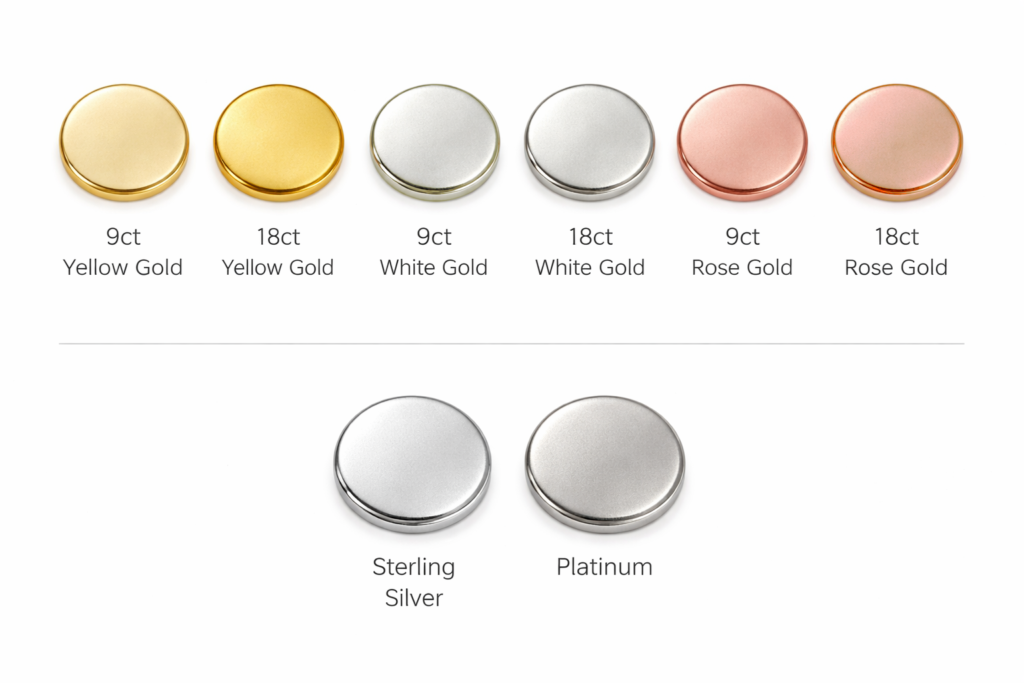
Please note, this image is intended as a guide only. Colours may appear differently depending on your screen or device settings, but it provides a helpful indication of the differences between each metal.
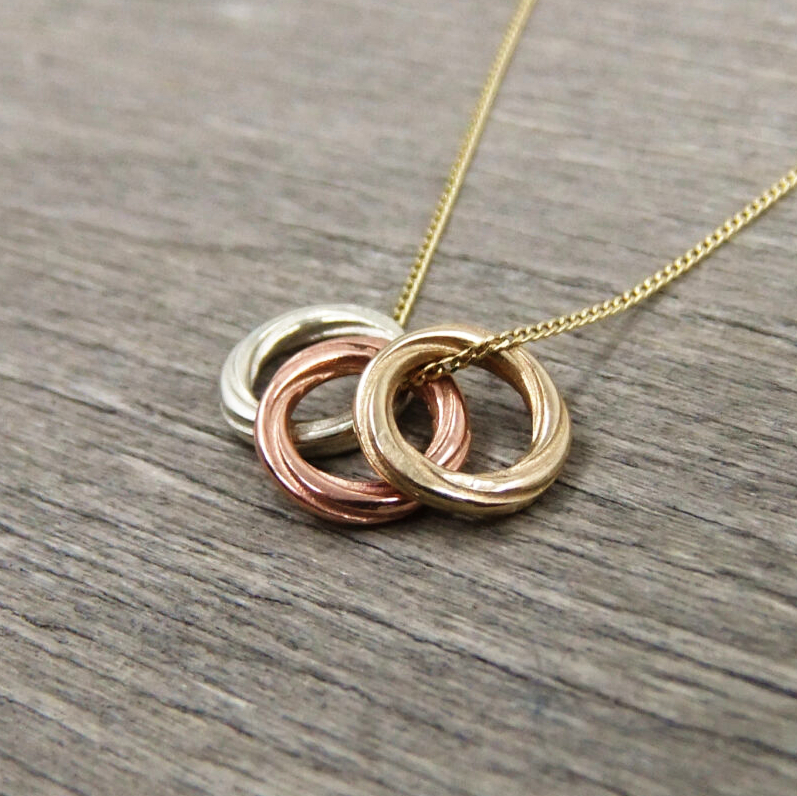
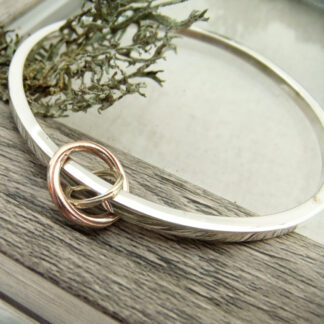
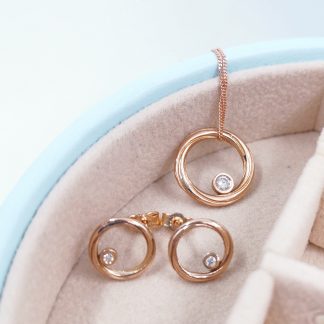
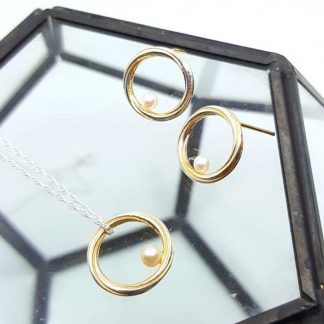
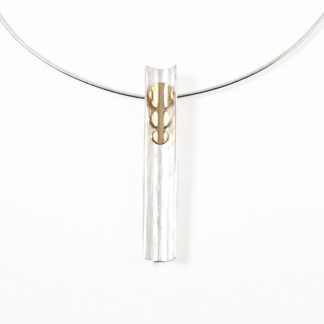
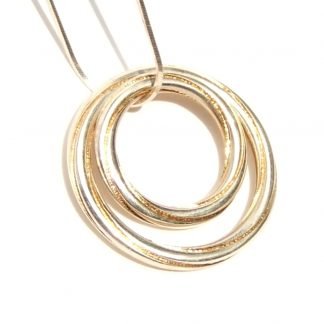
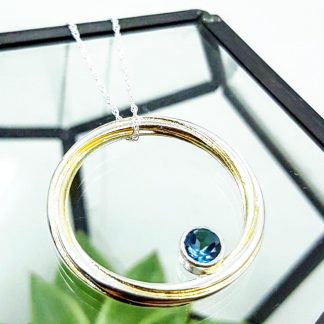
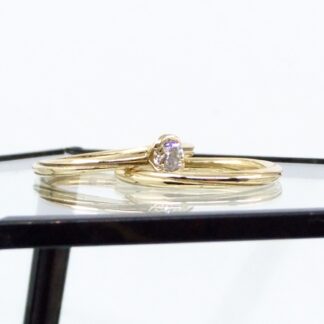
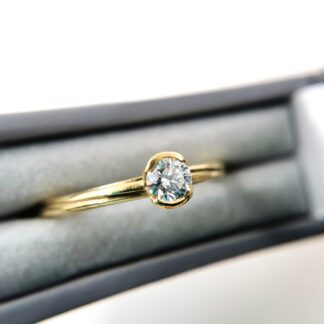
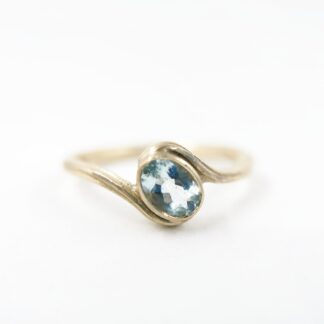
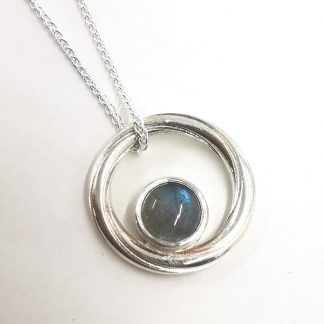
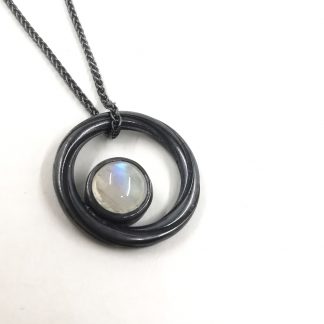
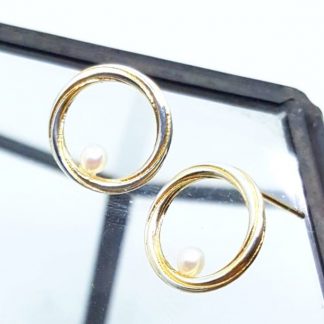
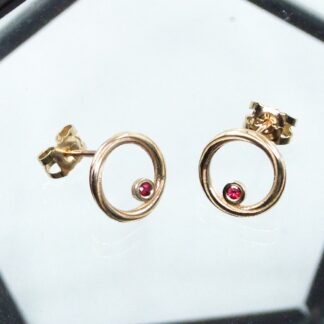
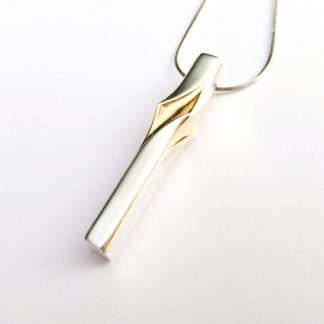
Example of how different gold tones appear within a single contemporary jewellery design.
Understanding the Differences
Each metal has its own unique tone, influenced by its composition and purity.
The numbers you see, such as 375, 750 or 925, refer to fineness, measured in parts per 1000. For example, 9ct gold (375) contains 375 parts pure gold per 1000, with the remaining 625 parts made up of other metals. These additional metals, known as alloys, play an important role in determining the final colour, as well as the hardness, durability and workability of the metal.
9ct Yellow Gold (375)
Contains 37.5% pure gold, with the remainder typically made up of silver and copper, and sometimes small amounts of zinc. These alloys lighten and slightly mute the colour of the gold, resulting in a softer, paler yellow. The higher proportion of alloy metals also makes it more durable and well suited to everyday wear.
18ct Yellow Gold (750)
Made from 75% pure gold, with a smaller proportion of alloy metals such as silver and copper. Because there is more pure gold present, the colour is noticeably richer, deeper and warmer. The reduced alloy content gives it a more classic, saturated gold tone, but it is slightly softer than 9ct.
9ct White Gold (375)
Composed of 37.5% gold, alloyed with white metals such as palladium, silver or nickel. These alloys pull the colour away from yellow towards a soft grey-white, although a slight warmth often remains. It is commonly rhodium plated to achieve a brighter, whiter finish.
18ct White Gold (750)
Contains 75% gold, combined with similar white alloys such as palladium or silver. The higher gold content gives a slightly softer, more muted white compared to 9ct, with a gentle warmth beneath the surface. Like 9ct, it is usually rhodium plated for a crisp white appearance.
9ct Rose Gold (375)
Made from 37.5% gold, with a higher proportion of copper in the alloy mix. Copper is what gives rose gold its pink tone, and at this carat it creates a lighter, more delicate blush colour.
18ct Rose Gold (750)
Contains 75% gold with copper as the primary alloy metal. The higher gold content deepens and enriches the overall tone, resulting in a warmer, more pronounced rose colour with greater depth.
Sterling Silver (925)
Made up of 92.5% pure silver, with the remaining 7.5% usually copper. This small addition improves strength and durability while maintaining silver’s bright, clean white appearance.
Platinum (typically 950)
Consists of 95% pure platinum, alloyed with small amounts of metals such as iridium, ruthenium or cobalt. These alloys enhance strength and workability while maintaining platinum’s naturally soft, grey-white colour.
Weight Differences
The choice of metal also affects the weight of your jewellery.
For the same ring design:
- Sterling silver (925) will be the lightest
- Followed by 9ct gold (375)
- Then 18ct gold (750)
- And platinum (950) will be the heaviest
For a wedding band, the difference in grams between these metals is relatively small, but it is noticeable when worn. Some people prefer the presence and substance of a heavier metal, while others lean towards a lighter feel for everyday comfort.
If you’d like help choosing the right metal for your piece, feel free to get in touch.